
Synthèse Visuelle Projects
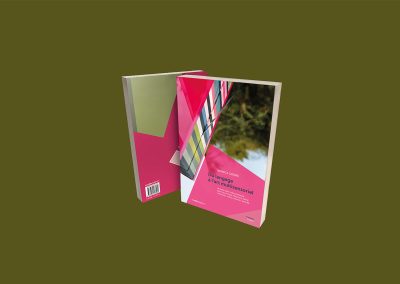
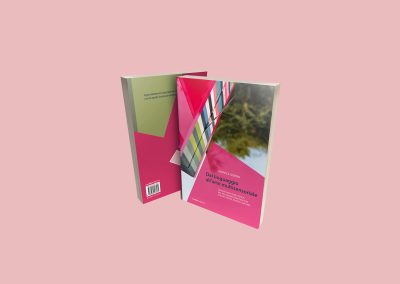
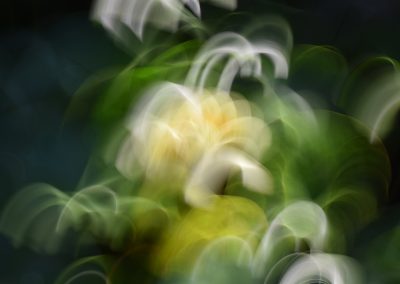
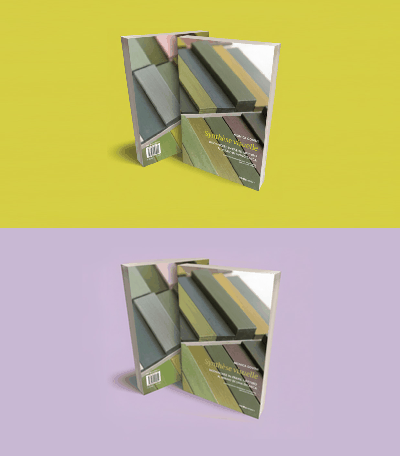
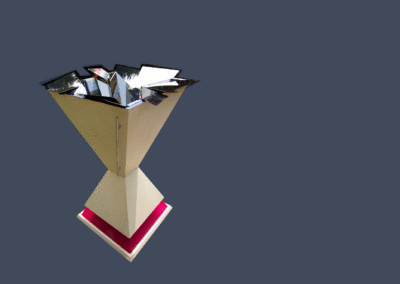
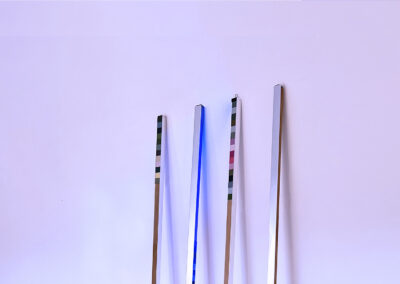
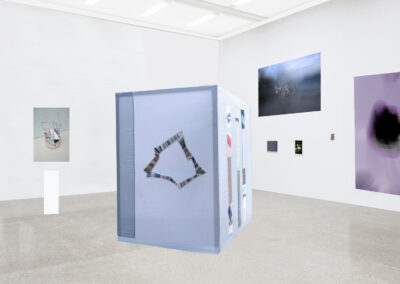


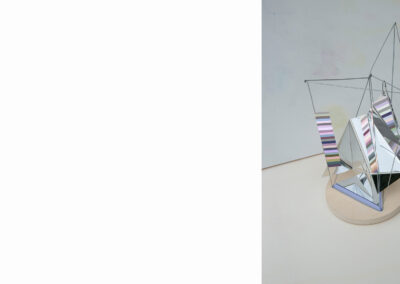
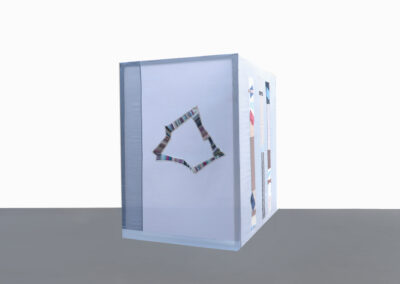

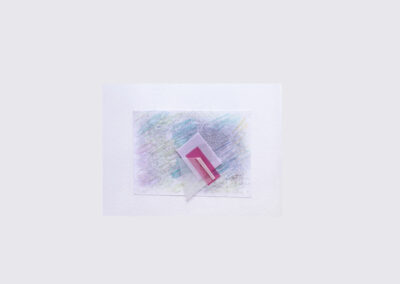


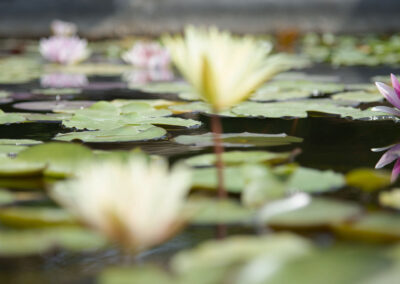
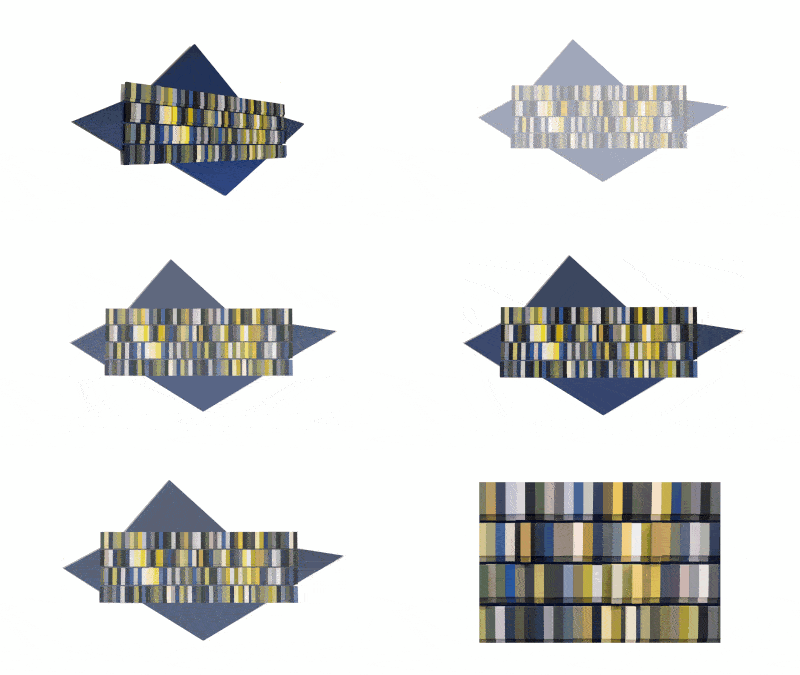
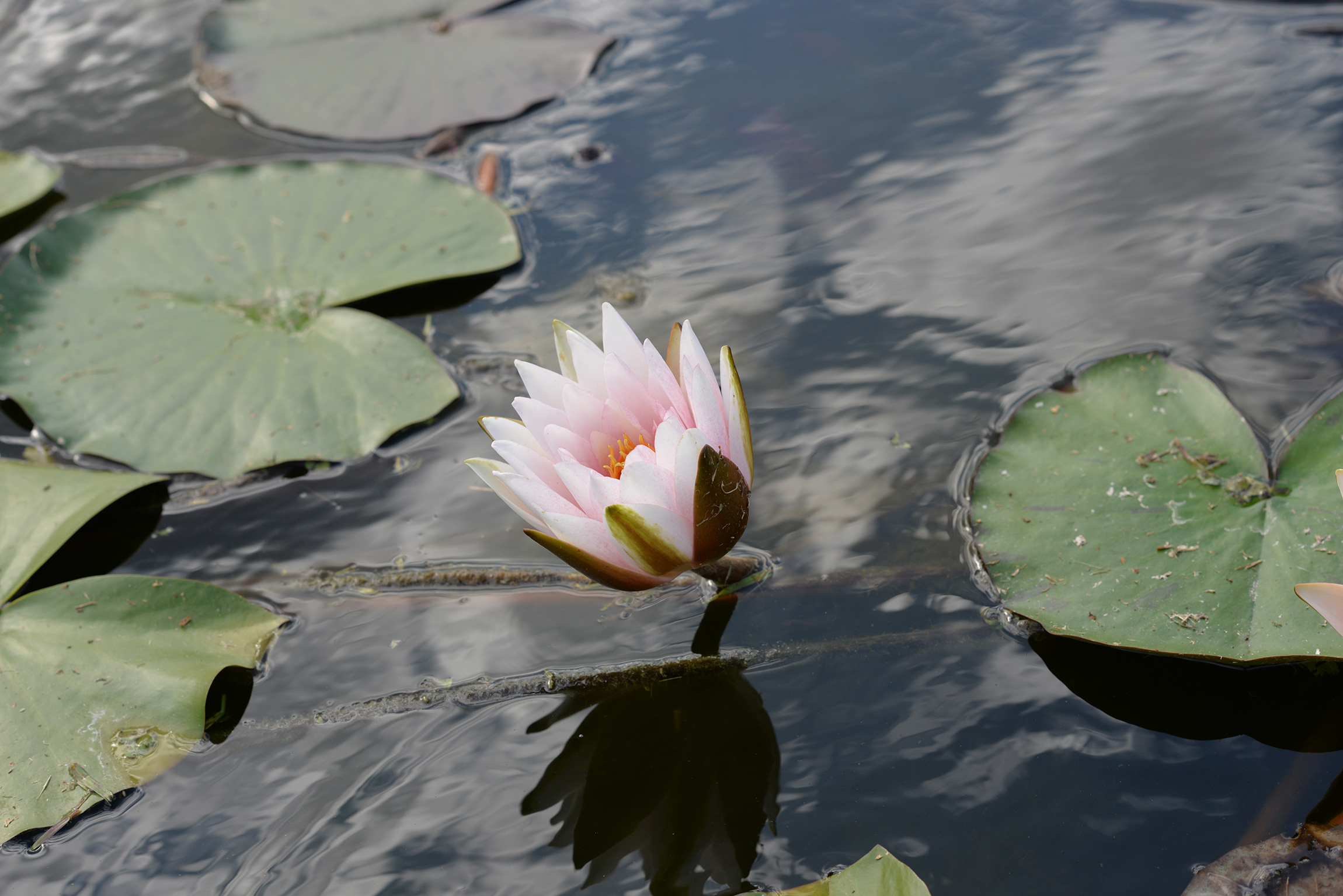
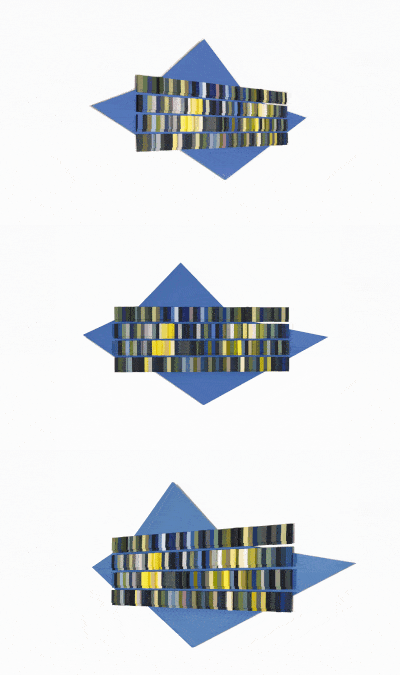
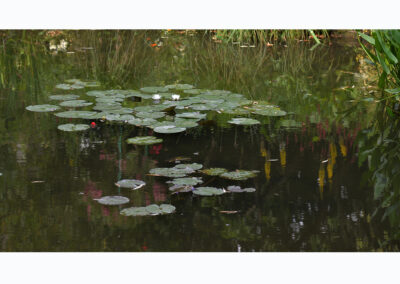

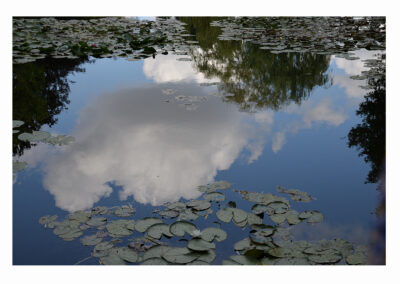
Synthèse visuelle is a project which confirms the tireless desire of the artist to understand nature through studies in which multiple disciplines are involved, in a dialogue of interconnection: art, philosophy, mathematics, optics, botany, chromatology, perception.
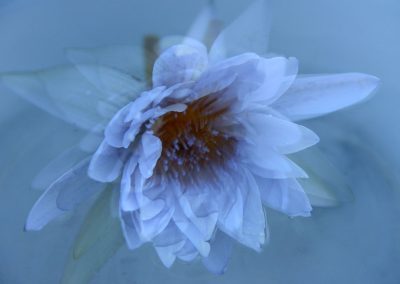
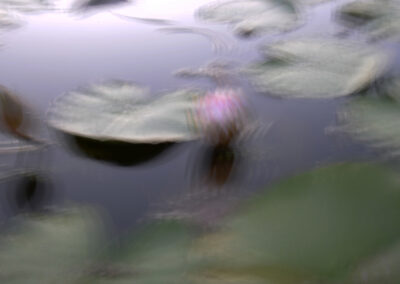
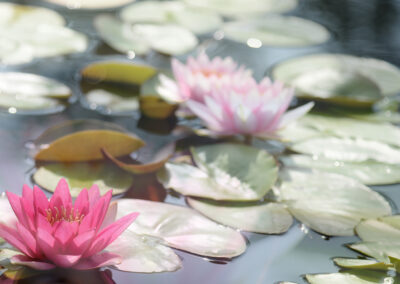
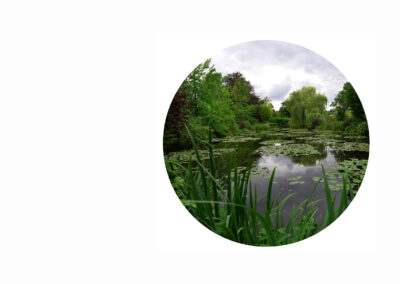
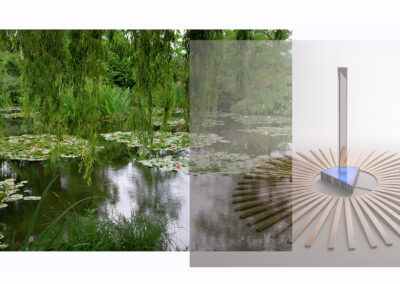
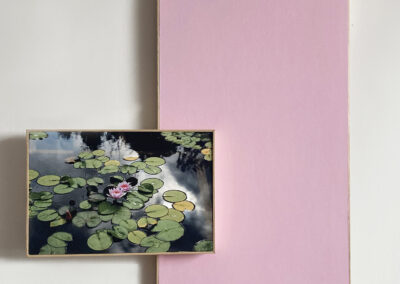
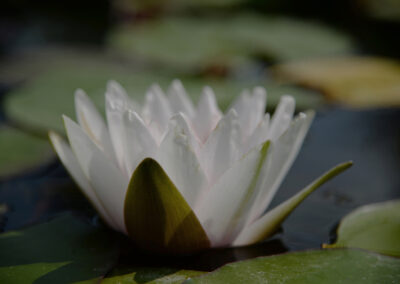
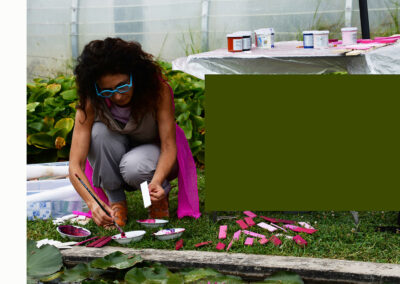
The frame of reference is the French landscape around the area of Giverny, 75 km from Paris, in particular the Jardin d’eau built by Claude Monet and the Latour Marliac tank in Aquitaine. Monica Gorini has focused on the Jardin d’eau and the water lilies, totally immersing herself in the atmosphere of the environments, using contemporary tools alongside more traditional techniques.
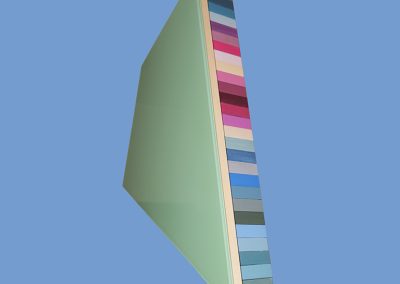
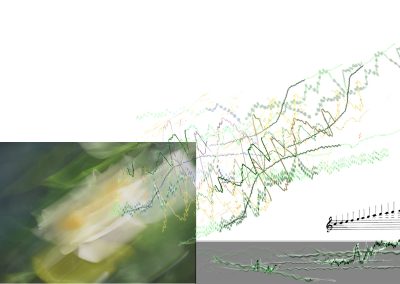
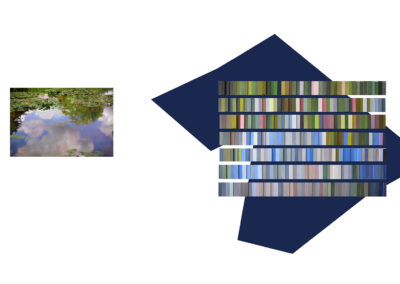
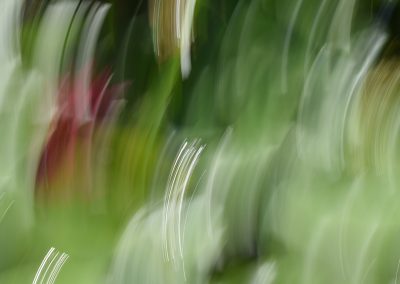
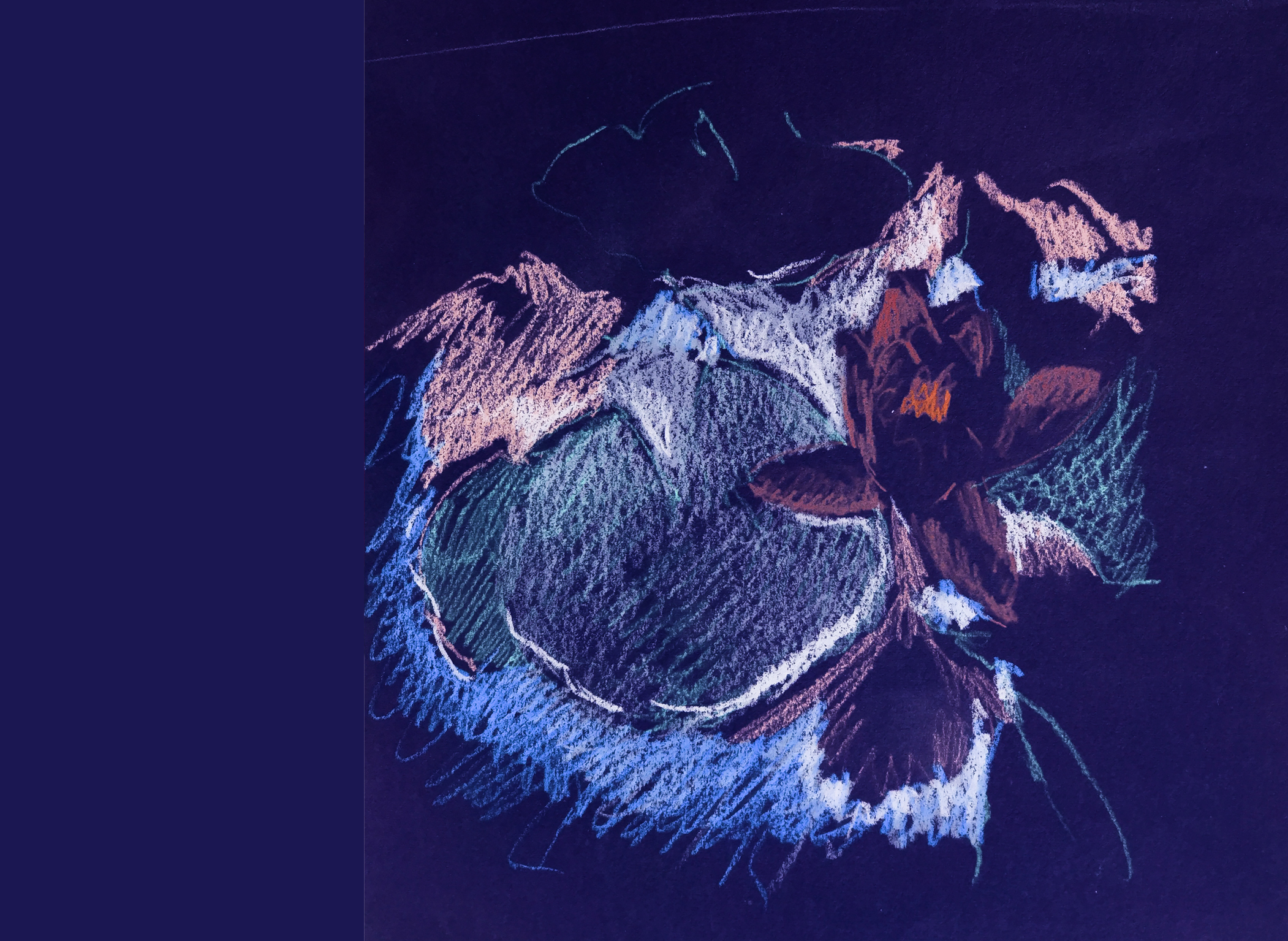
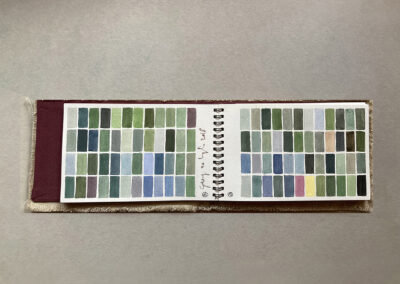
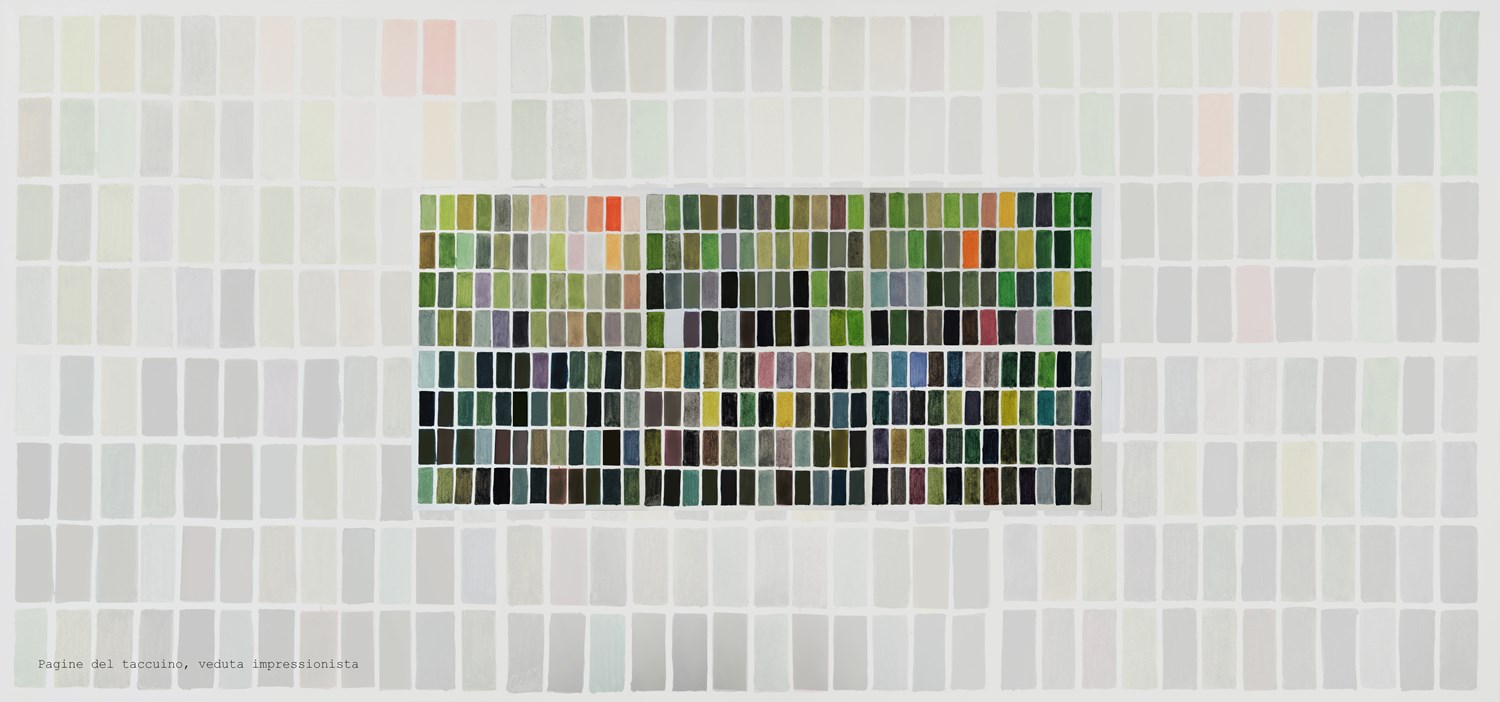
Around the water, in a triumph of reflections, clouds, and wind, the colours of the Jardin d’eau transform, because the appearance of reality alters quickly. Monica Gorini experiments with an experience that is completely immersive, other than mental, aesthetic, and spiritual. For her, colour becomes tangible thanks to a type of cross-modal perception similar to a synaesthesia. With patience she records the chromatic variations of the same lily throughout several days, with different weather and light conditions, taking note of the chromatic variations on wooden tiles and therefore building her conceptualised decoding.
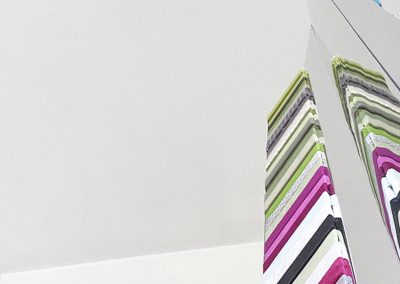
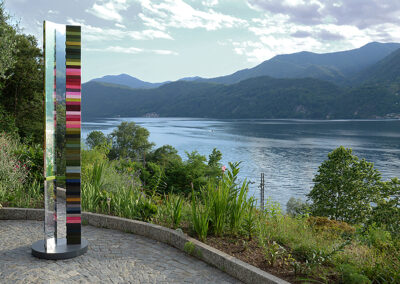
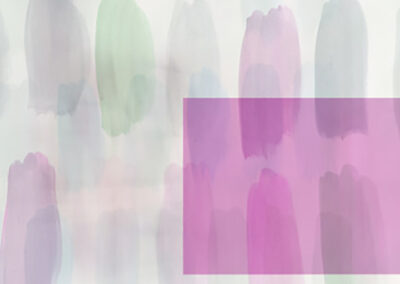
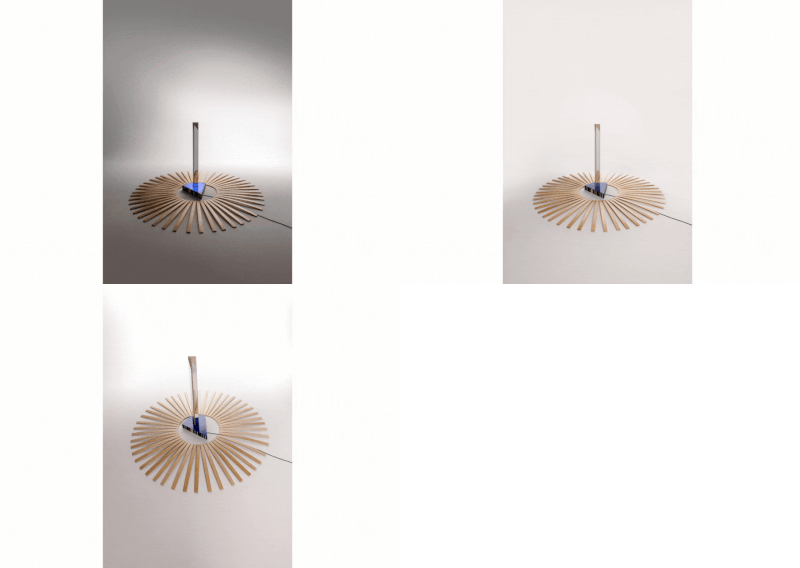
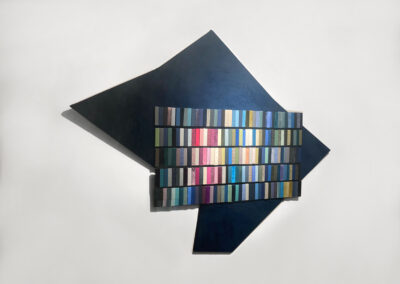
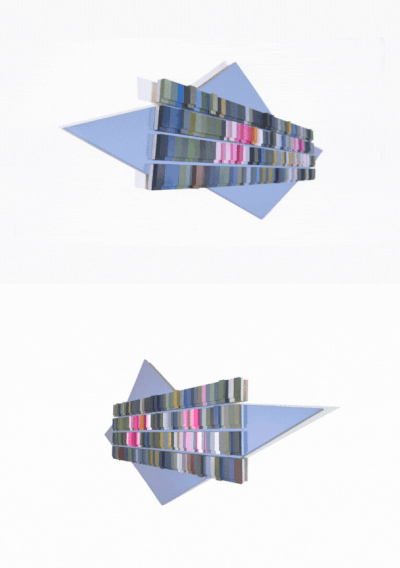
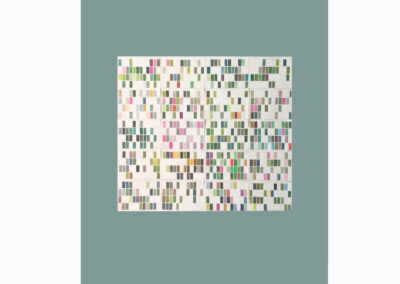
We are in the presence of a barcode which translates the language of nature, understood through mathematical relationships and chromatic-musical agreements. Organised as a sequence, the naturalistic sights present themselves as Synthèses visuelles, visual syntheses, symphonies in which the tiles, similar to the keyboard of a piano, and combined in chords thought as two, three, four colours to be read on one or more rows, allow sight alone to understand the fluidity and musicality of the scene.
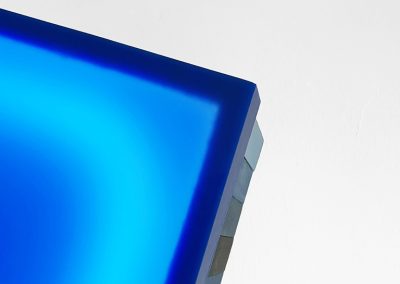
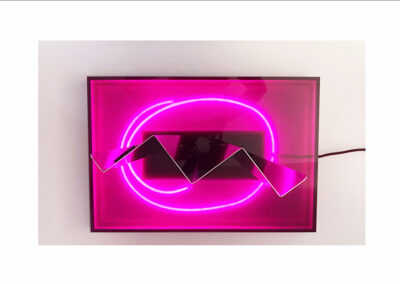
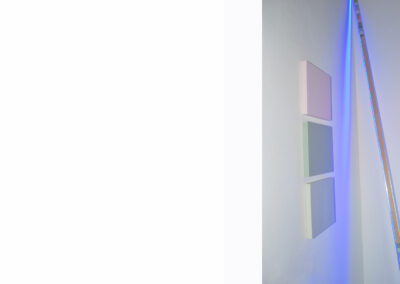
Monica Gorini seeks to involve the audience in the process of transforming their sense of sight. For this reason, she uses palettes in juxtaposition with different materials: coloured plexiglass, which is illuminated with LEDs, mirrors, reflective and moulded steel capable of breaking up and distorting the views like the water surface does, and light, which other than having an emotional effect, can involve the viewer on a physical level, producing new perceptive dimensions.
The experience of working with blind people has opened the artist’s doors to multimodality, multisensoriality, and the use of a variety of contemporary artistic languages. Her last works inspired by the Jardins d’eau and the water lilies are immersive and inclusive experiences, which work with more refined and slower ways of perceiving compared to sight. The correlation between the colours and the other perceptions have been transformed into a symphony of tactile, olfactive and kinaesthetic sensations. The audience is guided towards the “understanding” of colour even with eyes shut.
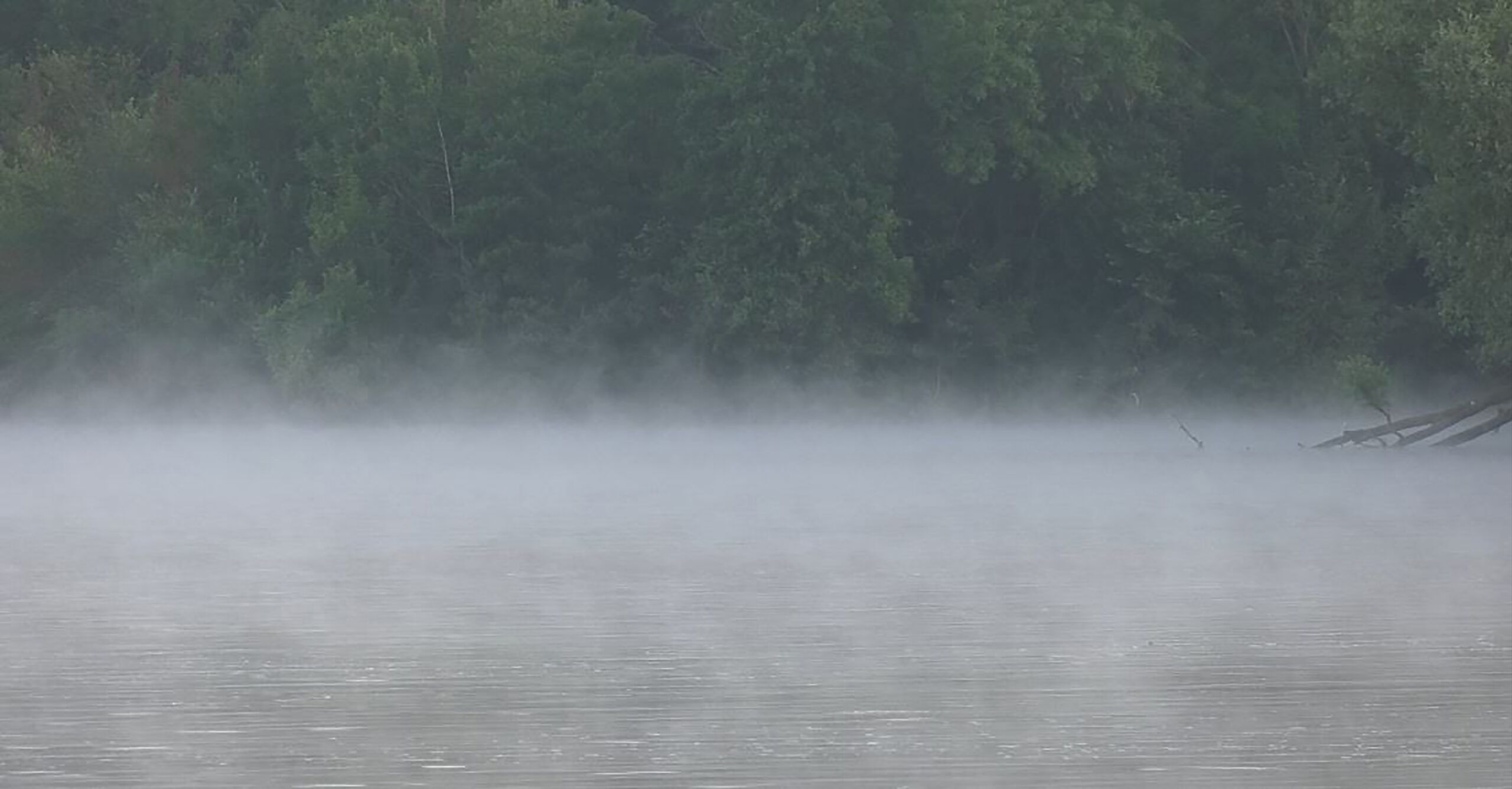
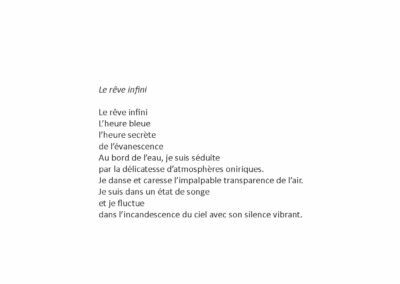
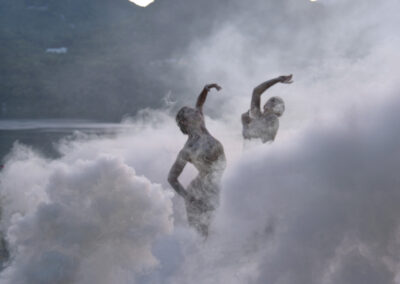
In the videoart work, “Le reve infini”, contemporary dance and music have been added to colour and light, to describe the indefinite transparency of the air and the lightness of the dreamlike atmospheres experienced around the Jardins d’eau and the Seine during the “heure bleu”.
///
Synthèse visuelle è un progetto che conferma l’instancabile desiderio dell’artista di comprendere la natura attraverso studi in cui sono coinvolte più discipline in un dialogo di interconnessione: arte, filosofia, matematica, ottica, botanica, cromatologia, percezione.
Il quadro di riferimento è il paesaggio francese nei dintorni di Giverny, a 75 km da Parigi, in particolare il jardin d’eau creato da Claude Monet e il vivaio di Latour Marliac in Aquitania. Monica Gorini ha focalizzato la sua attenzione sui jardins d’eau e sulle ninfee, immergendosi totalmente e concretamente nell’atmosfera dei luoghi, utilizzando strumenti contemporanei a fianco a tecniche più tradizionali.
Intorno alle vasche, in un tripudio di riflessi, di nuvole e di vento, i colori dei jardins d‘eau mutano perché si trasforma velocemente l’aspetto della realtà; Monica Gorini sperimenta un’esperienza totalmente immersiva oltre che mentale, estetica, spirituale. Per lei il colore diventa palpabile grazie ad un tipo di percezione cross modale simile alla sinestesia. Con pazienza registra le variazioni cromatiche della stessa ninfea nell’arco di più giornate con condizioni atmosferiche e di luce completamente diverse, appuntandone i mutamenti cromatici su tasselli di legno e costruendone così la sua decifrazione concettualizzata.
Siamo di fronte ad un codice a barre che traduce il linguaggio della natura, compreso attraverso rapporti matematici e accordi cromatico-musicali. Organizzate in sequenza, le vedute naturalistiche si presentano come Synthèses visuelles, sintesi visive, sinfonie in cui i tasselli, simili ai tasti del pianoforte e combinati in accordi pensati a due, a tre, a quattro colori, da leggere su una o su più file, consentono al solo sguardo di comprendere la fluidità e la musicalità della scena.
Monica Gorini vuole coinvolgere il pubblico nel processo di trasformazione del proprio vedere. Per questo motivo impiega le palette in accostamento a diversi materiali: plexiglass colorato e retroilluminato, led, specchi, acciaio riflettente e sagomato in grado di scomporre e distorcere le vedute come accade sulla superficie dell’acqua, luce, che oltre a suscitare un impatto emotivo coinvolge fisicamente producendo nuove dimensioni percettive.
L’esperienza di lavoro con persone non vedenti ha aperto le porte dell’artista alla multisensorialità, alla multimodalità e all’utilizzo di una pluralità di linguaggi artistici contemporanei. Gli ultimi lavori ispirati ai jardins d’eau e alle ninfee sono esperienze immersive e inclusive e lavorano con forme più raffinate e lente di percezione rispetto al visivo. La correlazione tra i colori e le altre percezioni sono state trasformate in una sinfonia di sensazioni tattili, olfattive e cinestesiche. Il pubblico è guidato a “comprendere” il colore anche ad occhi chiusi.
Nei lavori di videoart come “ Le reve infini” al colore e alla luce, sono state aggiunte la danza e la musica contemporanea per raccontare l’impalpabile trasparenza dell’aria e la delicatezza delle atmosfere oniriche vissute intorno ai jardins d’eau e alla Senna durante l”heure bleu”.